.png)
.webp) 0
0
.webp) 24 September 2026, 10:52:51 am AEST
24 September 2026, 10:52:51 am AEST
.webp) 11 min
11 min
Choosing an enterprise planning platform is one of the most important decisions a CFO and IT Director will ever make. The two leading enterprise platforms are IBM Planning Analytics (TM1) and Anaplan. Both help companies budget and forecast, but they run on fundamentally different calculation engines. Here is the unvarnished, real-world comparison.
Chapter 1: The Core Calculation Engines Compared
The main difference between TM1 and Anaplan starts with how they store and calculate data in physical memory:
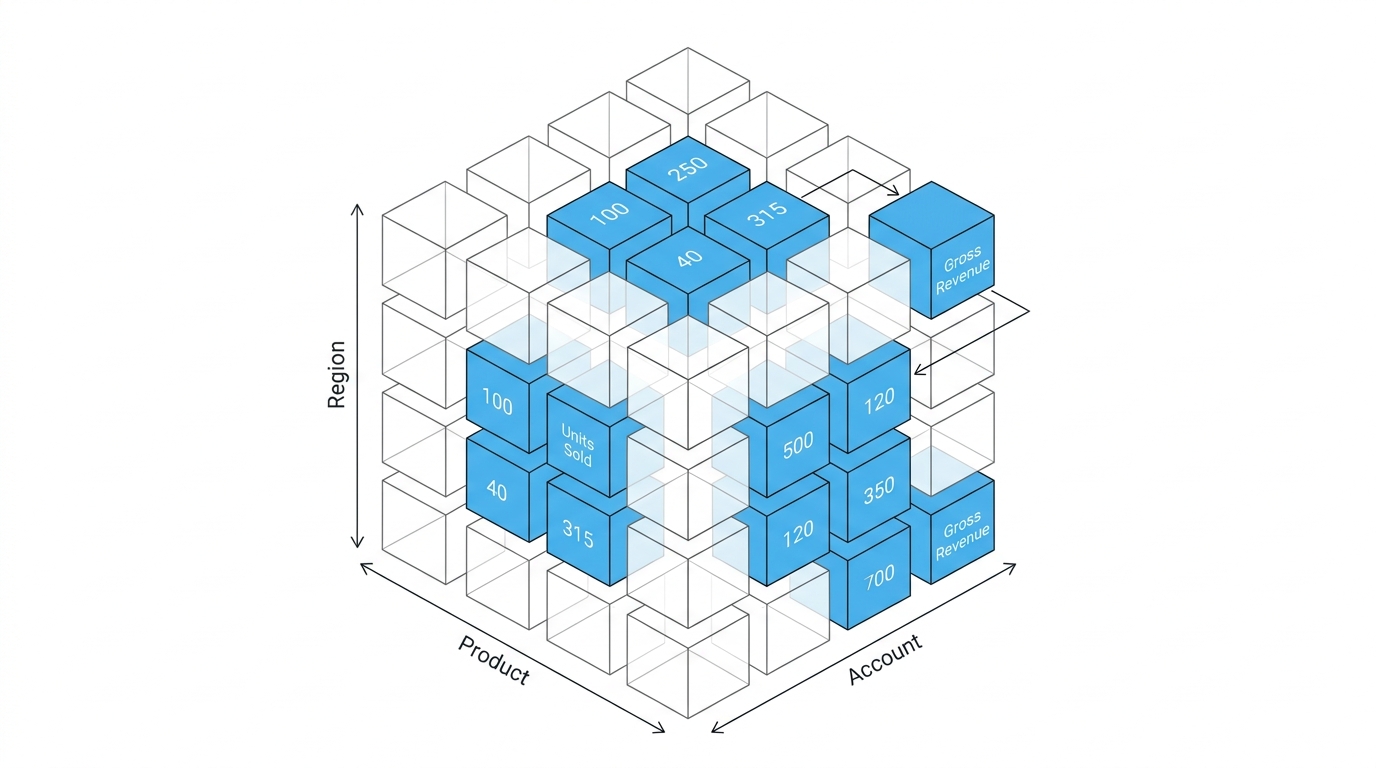
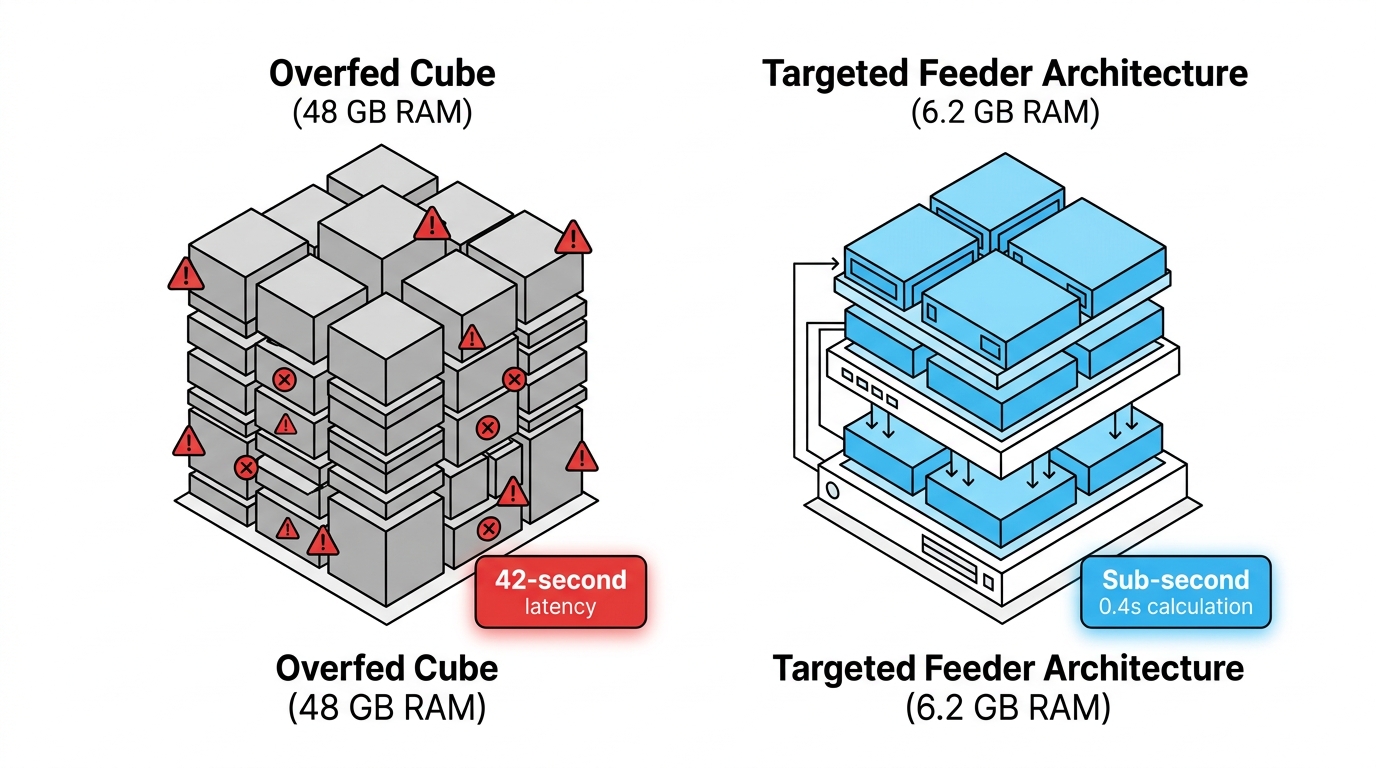
- IBM Planning Analytics (TM1): Built on a sparse multidimensional engine. TM1 calculates and stores only populated data intersections, using skipcheck and feeder logic to skip millions of empty cells. This allows TM1 to easily handle models with 15 or more dimensions and billions of potential intersections without running out of RAM.
- Anaplan: Built on the proprietary Anaplan Hyperblock engine. Anaplan combines in-memory calculation with columnar relational database concepts. Anaplan processes data in structured blocks. It is fast for standard planning models, but memory usage scales rapidly when models require deep dimensional granularity.
The Dimensional Explosion Benchmark
To understand the difference, consider a corporate P&L model with 10 dimensions (Account, Cost Center, Legal Entity, Period, Year, Version, Currency, Project, Customer, Channel). In this cube, the total theoretical cell count can exceed 500 million intersections.
In TM1, because only 1.2 million intersections actually contain numbers, the model consumes only 110 megabytes of RAM. In Anaplan's Hyperblock architecture, allocating memory across deeply nested line items and lists can quickly push the workspace size past 45 gigabytes, eating into strict workspace capacity limits.
Chapter 2: Handling Complexity at Scale
Standard budgeting and departmental headcount planning run well on both platforms. The divergence appears when models involve deep business logic:
1. Stepped Allocations and Scripting Speed
If your enterprise requires multi-tiered cost allocations (such as corporate overhead allocated to shared service cost centers, then to operating business units, then to regional customer lines), TM1's TurboIntegrator scripting executes dramatically faster. In a recent benchmark test running a 4-step shared service allocation across 80 business units, TM1 completed the entire batch run in 42 seconds. An equivalent Anaplan model with 14 chained calculation modules required over 8 minutes of recalculation.
2. Workspace Size Limits vs Elastic Storage
Anaplan enforces strict workspace limits (typically 100 GB to 130 GB per model). When an enterprise exceeds this limit, they must split data across multiple linked models using Application Lifecycle Management (ALM) or purchase expensive additional workspace tiers. TM1 models have no arbitrary size ceilings and easily scale across terabytes of data through containerized cloud scaling and Engine 12 architectures.
Chapter 3: The Excel Experience (PAfE vs Anaplan Add-in)
Finance professionals live in Microsoft Excel. How each platform connects to the Microsoft Excel Platform Architecture makes or breaks user adoption:
- Planning Analytics for Excel (PAfE): Fully integrated bi-directional modeling. Analysts can build dynamic reports using native
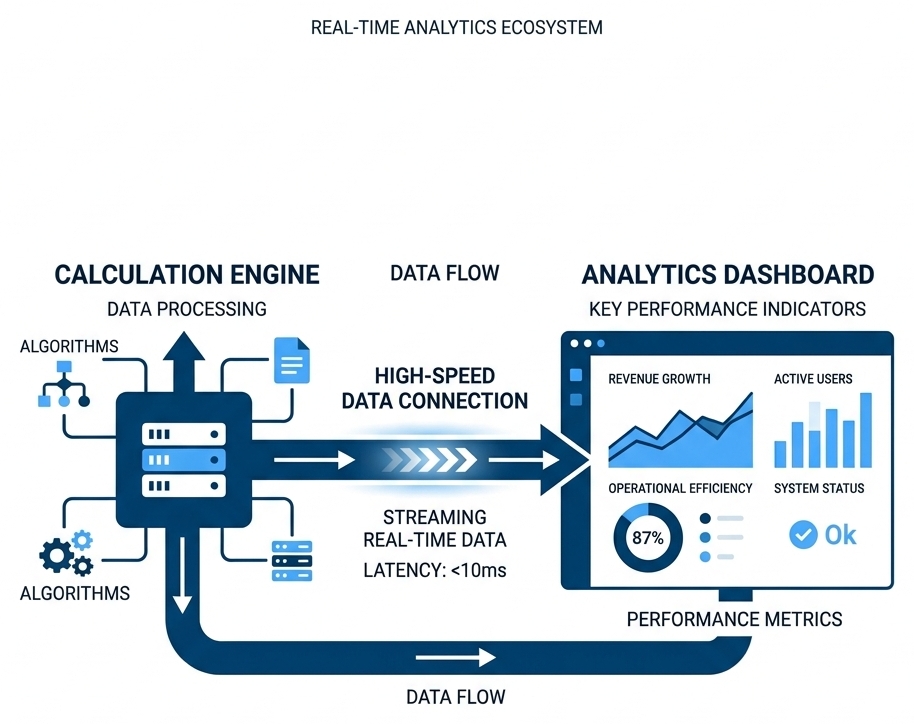
DBRWandSUBNMformulas, expand rows and columns dynamically, write back directly to cubes, and combine native Excel formulas with TM1 data with zero lag. - Anaplan Excel Add-in: Operates primarily as an import and export data connector. While users can refresh numbers in Excel, building dynamic, multi-cube modeling sheets with complex formula dependencies is significantly more rigid than native PAfE.
Chapter 4: Real-World 3-Year Total Cost of Ownership (TCO)
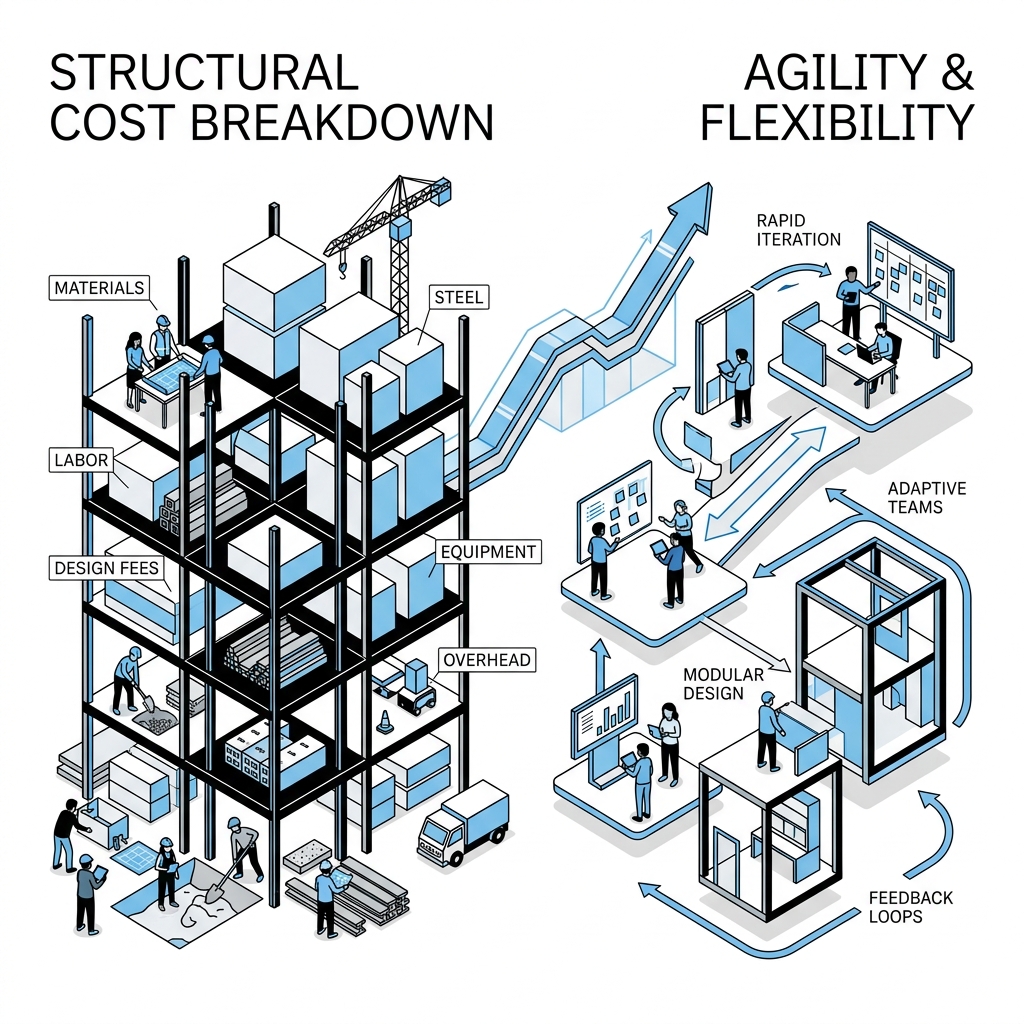
Comparing software subscription quotes alone is misleading. Total cost of ownership involves licensing structures, implementation, workspace tier growth, and long-term maintenance:
Chapter 5: Real-World Case Study: Australian Superannuation Fund
A leading Australian industry superannuation fund managing over $40 billion in assets initially chose Anaplan for their fund expense modeling and member fee forecasting.
Within eighteen months, the model expanded to cover 18 member asset classes, 45 direct investment vehicles, and daily member cash movements. Because of Anaplan's Hyperblock memory model, list dimensions multiplied cell requirements exponentially, pushing the model past the 130 GB workspace ceiling.
To stay within limits, the fund had to split the model across three separate workspaces, requiring manual ALM exports and synchronization scripts that took three hours to reconcile every night. After six months of reconciliation friction, the fund migrated their modeling to IBM Planning Analytics. Because TM1 calculates dynamically and stores only populated leaf cells, the entire fund expense model fit comfortably inside a 12 GB memory footprint on a single TM1 instance, with nightly reconciliation scripts completing in under 90 seconds.
Chapter 6: The Decision Framework for Finance Leaders
Here is the practical decision rule:
- Choose Anaplan if: You are a mid-market company with relatively simple planning logic, want business analysts to build models without writing scripts, and your total model data size stays comfortably under 100 GB.
- Choose IBM Planning Analytics (TM1) if: You are an enterprise with large transaction volumes, multi-layered cost allocations, complex dimension hierarchies, and power users who demand deep, dynamic Excel modeling.
References and Architecture Sources
This technical analysis draws on official engineering documentation, regulatory frameworks, and enterprise planning research:
- IBM Planning Analytics Engine Documentation (Sparse calculations and feeders): https://www.ibm.com/docs/en/planning-analytics
- Anaplan Hyperblock Engine Overview (Columnar allocation and model limits): https://help.anaplan.com
- Microsoft Office & Excel Platform Architecture: https://learn.microsoft.com/en-us/office/dev/add-ins/excel/
- AWS Asia-Pacific Data Center Infrastructure (Sydney & Melbourne): https://aws.amazon.com/about-aws/global-infrastructure/
- Octane Planning Architecture Research: Engine 12 Guide and 2026 Licensing Breakdown.
Get Independent Planning Software Advisory
Evaluating enterprise planning software? Octane Solutions provides independent architectural assessments, total cost of ownership modeling, and proof-of-concept testing for Australian finance teams.
Choosing an enterprise planning platform is one of the most important decisions a CFO and IT Director will ever make. The two leading enterprise platforms are IBM Planning Analytics (TM1) and Anaplan. Both help companies budget and forecast, but they run on fundamentally different calculation engines. Here is the unvarnished, real-world comparison. Chapter 1: The Core Calculation Engines Compared The main difference between TM1 and Anaplan starts with how they store and calculate data in physical memory: IBM Planning Analytics (TM1): Built on a sparse multidimensional engine. TM1 calculates ...
.webp)